
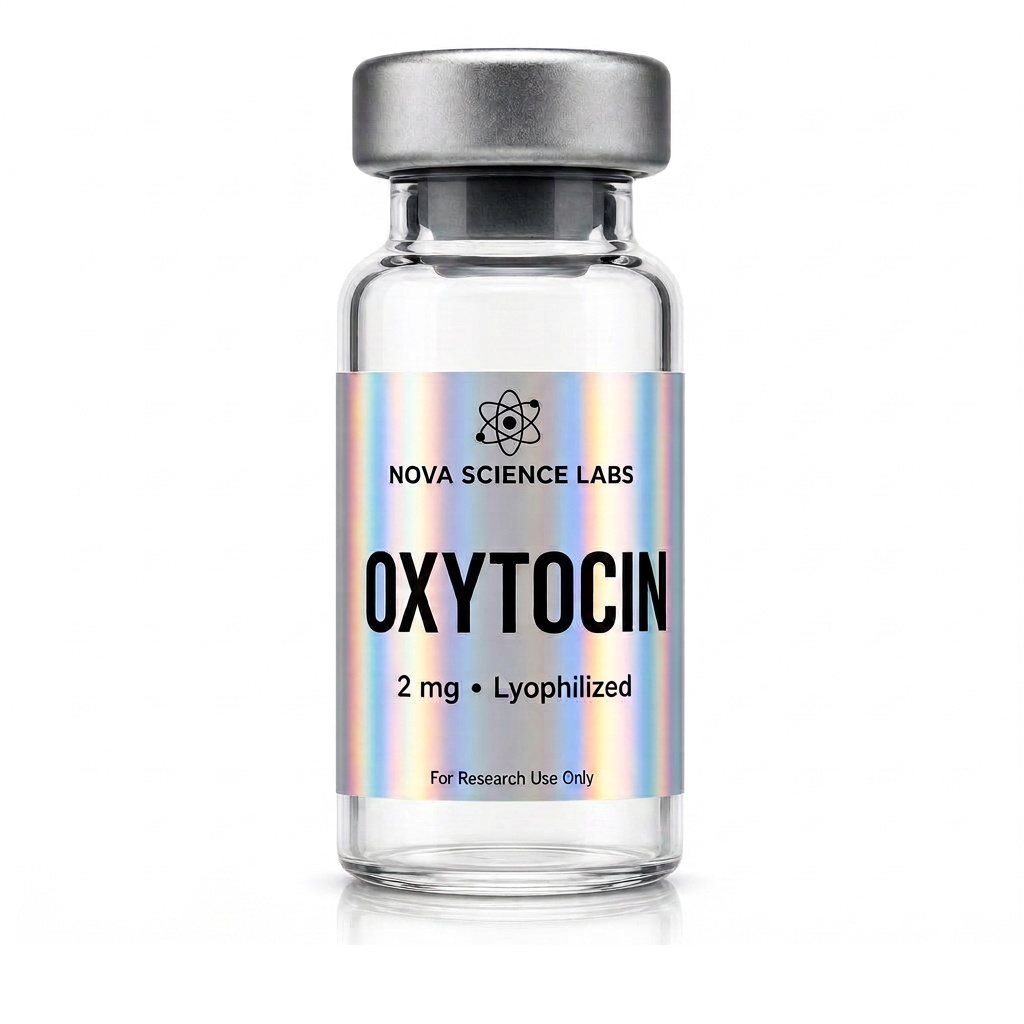
Oxytocin
Neuropeptide researched for social bonding, mood, and reproductive physiology.
Testing & quality
Every batch is supplier-tested for identity and purity and randomly verified by independent third-party HPLC and mass spectrometry.
About Oxytocin
Oxytocin is a nine-piece brain peptide made in the hypothalamus, often nicknamed the 'bonding' hormone. It works through a single receptor found in the brain and in smooth muscle.
Lab research covers receptor binding, social and bonding behavior models, uterine and mammary muscle activity, and how it interacts with the stress system. Supplied freeze-dried at 99%+ purity for laboratory use only.
What animal studies have reported
These are outcomes published in peer-reviewed animal (preclinical) research on Oxytocin. They describe results seen in laboratory animals only.
- Increased pair-bonding and social behavior in prairie vole and rodent studies
- Uterine contraction and milk let-down in mammals
- Reduced stress hormone response in rodents
Animal findings do not predict results in humans. Nothing here is a claim about human use — this product is sold for laboratory research only.
Compound classification
Cyclic nonapeptide endogenous neurohypophyseal hormone (disulfide-bridged).
Mechanism studied in the literature
Selective agonist at the oxytocin receptor (OXTR), a Gq-coupled GPCR. Reference reagent in social-behavior, parturition, and lactation neurobiology research.
Research areas
- Social cognition and affiliative behavior (preclinical)
- OXTR receptor pharmacology
- Reproductive physiology research
- Stress and HPA-axis interactions
Storage
Lyophilized: -20°C, protected from light. Reconstituted: 2-8°C, use within 14 days — peptide is moisture- and heat-sensitive.
Reconstitution (laboratory)
Reconstitute with bacteriostatic or sterile water for injection (USP grade).
Related research peptides
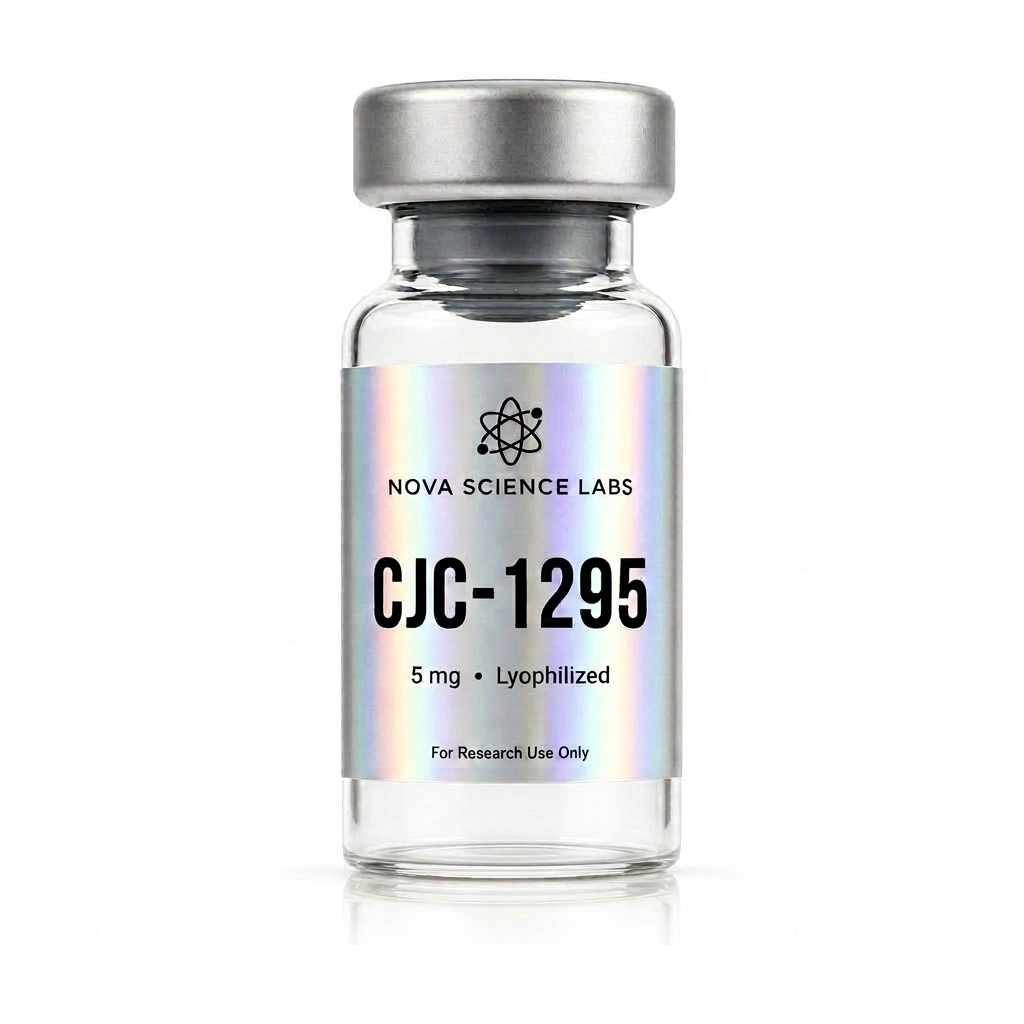
CJC-1295 (No DAC)
Growth hormone releasing hormone analog studied for pulsatile GH release.
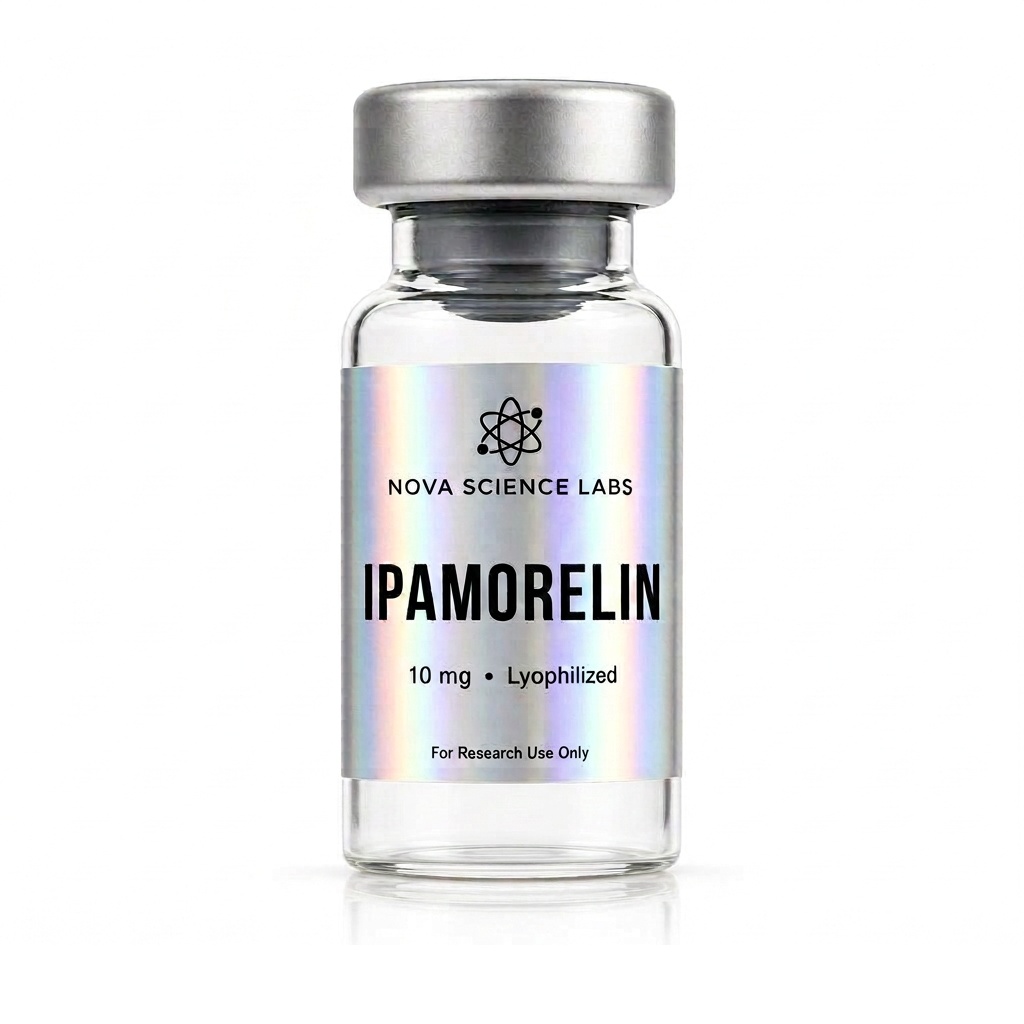
Ipamorelin
Selective GHRP studied for GH secretion without significant cortisol or prolactin impact.
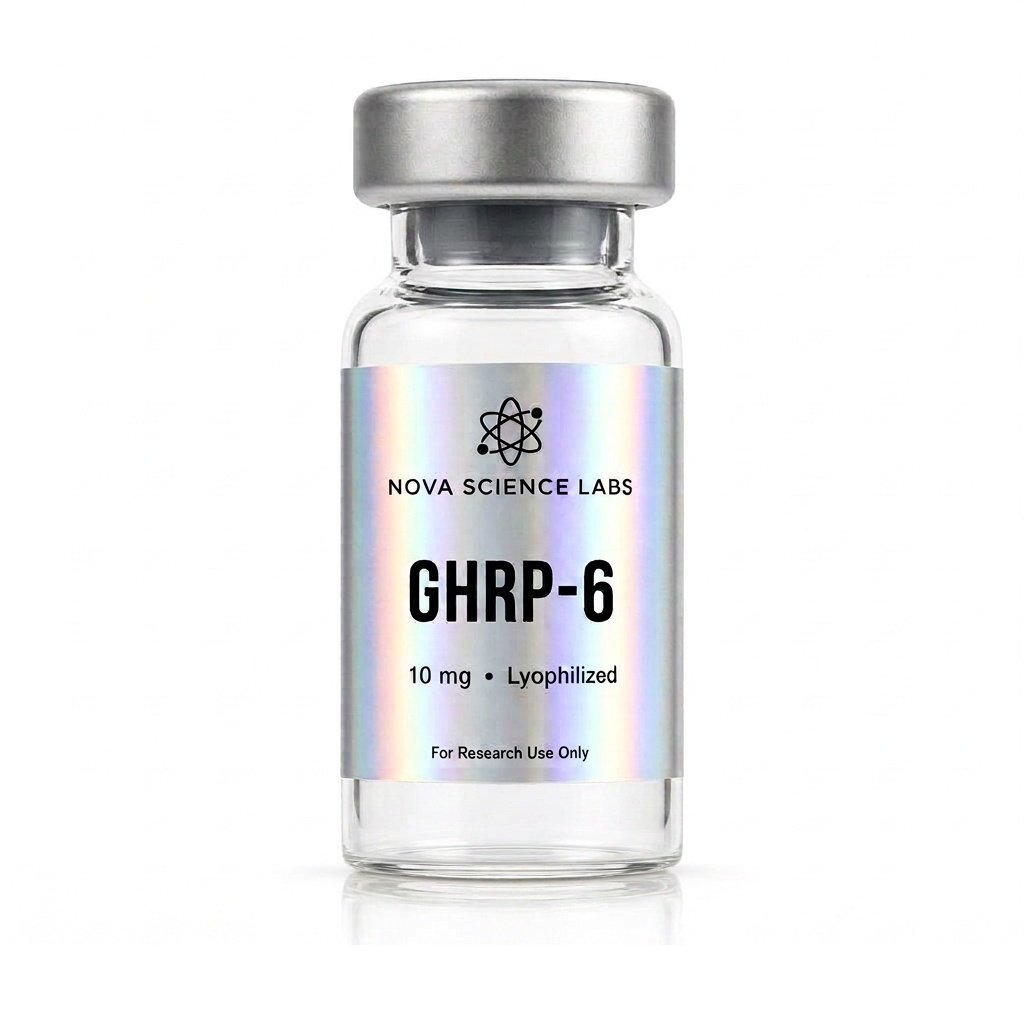
GHRP-6
Growth hormone releasing peptide studied for GH secretion and appetite research.
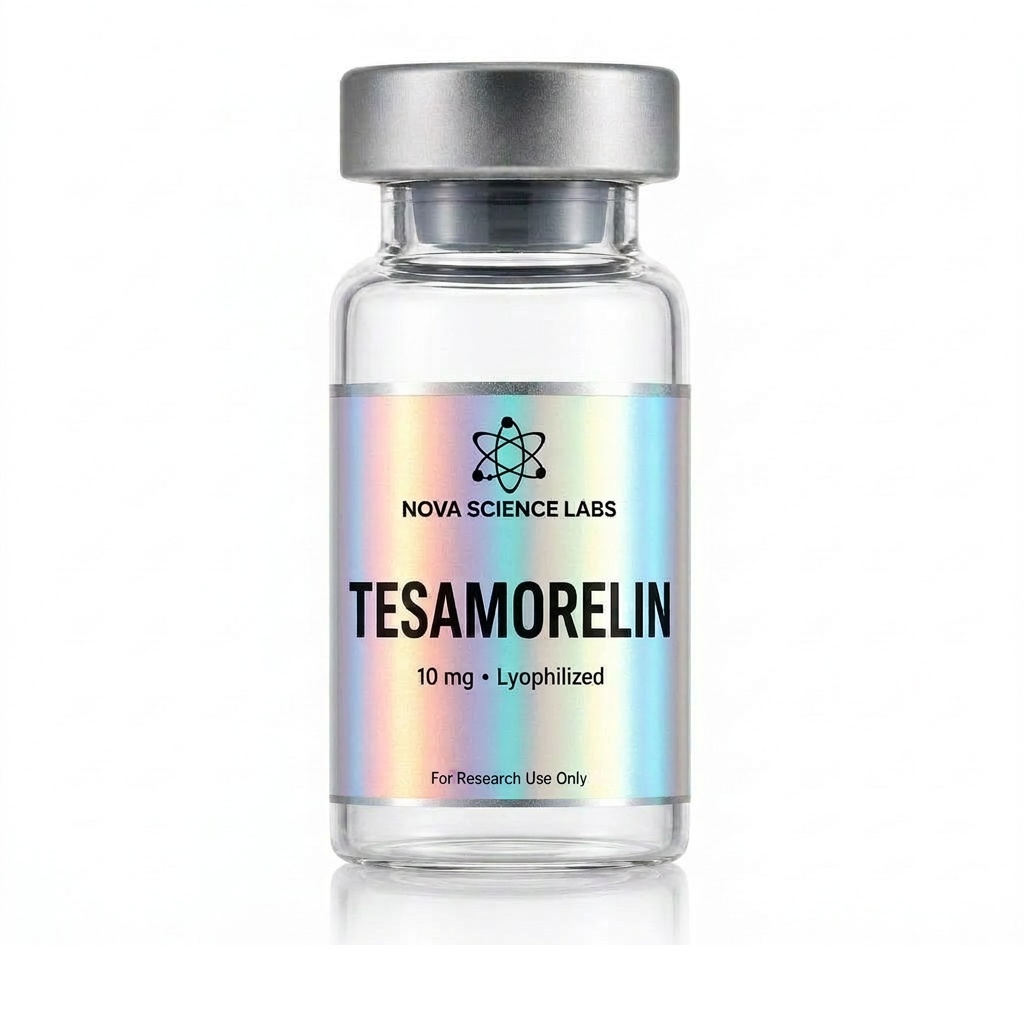
Tesamorelin
GHRH analog researched for visceral adiposity and lipid metabolism.