
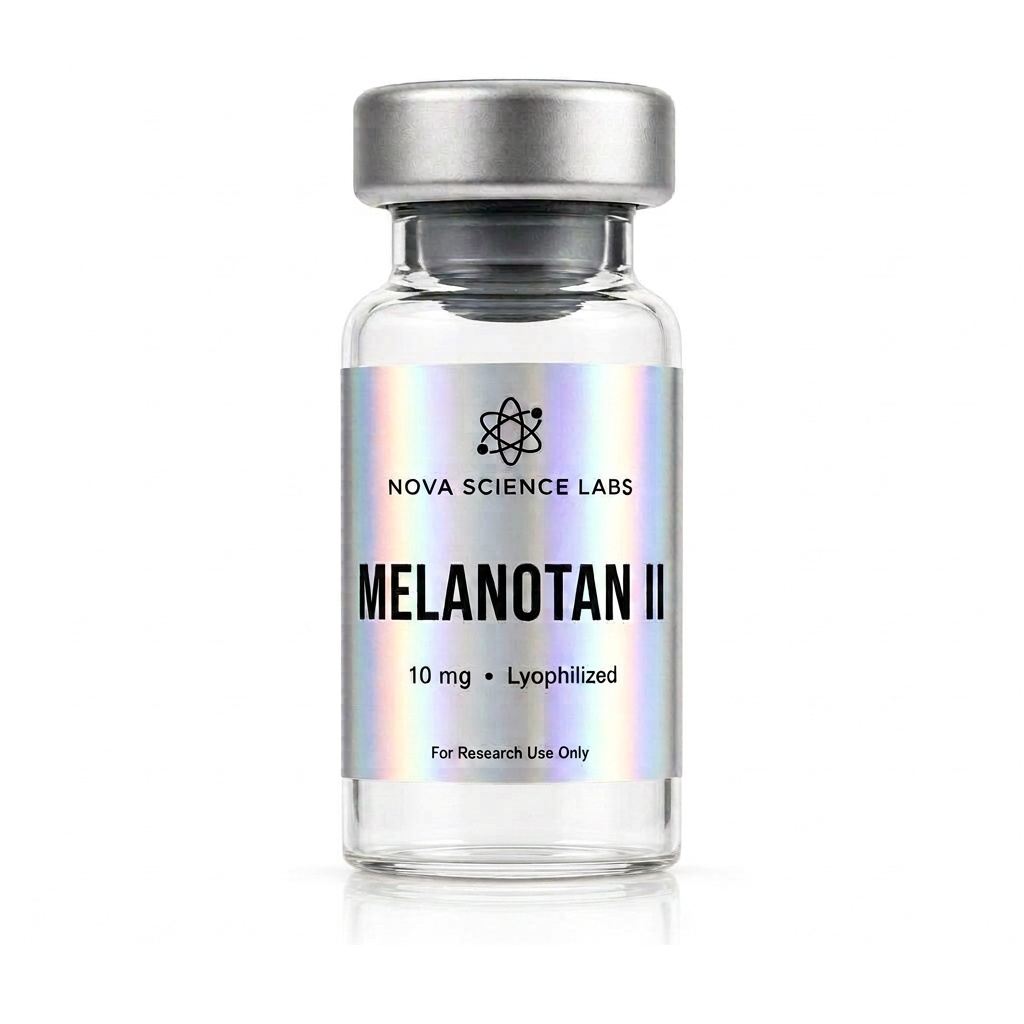
Melanotan II
Melanocortin agonist researched for pigmentation and appetite regulation studies.
Testing & quality
Every batch is supplier-tested for identity and purity and randomly verified by independent third-party HPLC and mass spectrometry.
About Melanotan II
Melanotan II is a lab-made ring-shaped copy of alpha-MSH, the natural hormone that tells skin cells to produce pigment. It activates several melanocortin receptors rather than just one.
Research covers pigment production, receptor binding, and appetite and energy-balance signaling. Supplied freeze-dried at 99%+ purity for laboratory use only.
What animal studies have reported
These are outcomes published in peer-reviewed animal (preclinical) research on Melanotan II. They describe results seen in laboratory animals only.
- Darkened coat and skin pigment in rodent studies
- Reduced food intake and body weight in rats
Animal findings do not predict results in humans. Nothing here is a claim about human use — this product is sold for laboratory research only.
Compound classification
Cyclic synthetic analog of α-MSH; non-selective melanocortin receptor agonist (MC1R, MC3R, MC4R, MC5R).
Mechanism studied in the literature
Activates melanocortin receptors; profiled in vitro and in preclinical models for melanogenesis, energy-balance signaling, and erectile pathways.
Research areas
- Melanogenesis and MC1R receptor biology
- MC4R energy-balance signaling (preclinical)
- Melanocortin pharmacology screening
- Reference compound for receptor binding assays
Storage
Lyophilized: -20°C, protected from light. Reconstituted: 2-8°C, use within 28 days.
Reconstitution (laboratory)
Reconstitute with bacteriostatic or sterile water for injection (USP grade).
Related research peptides
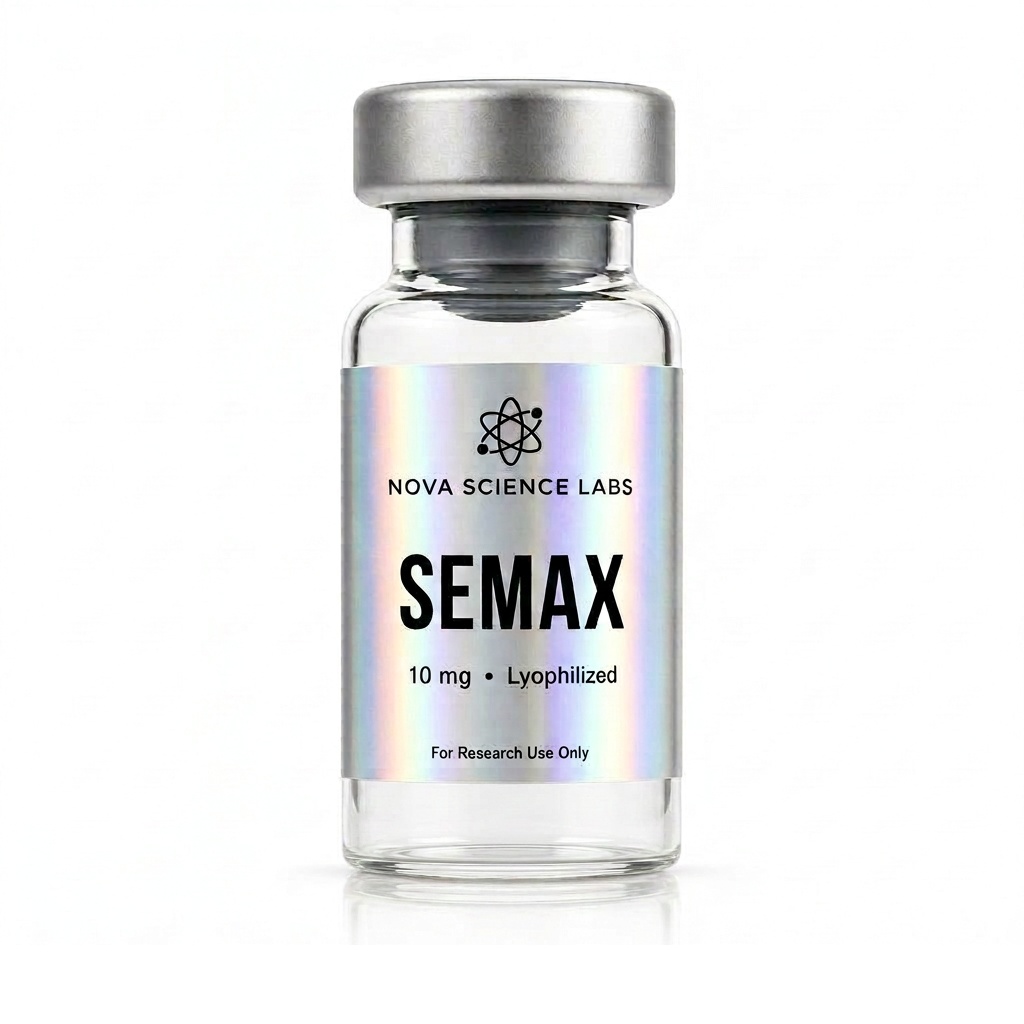
Semax
Heptapeptide studied for BDNF expression, focus, and neuroprotection.
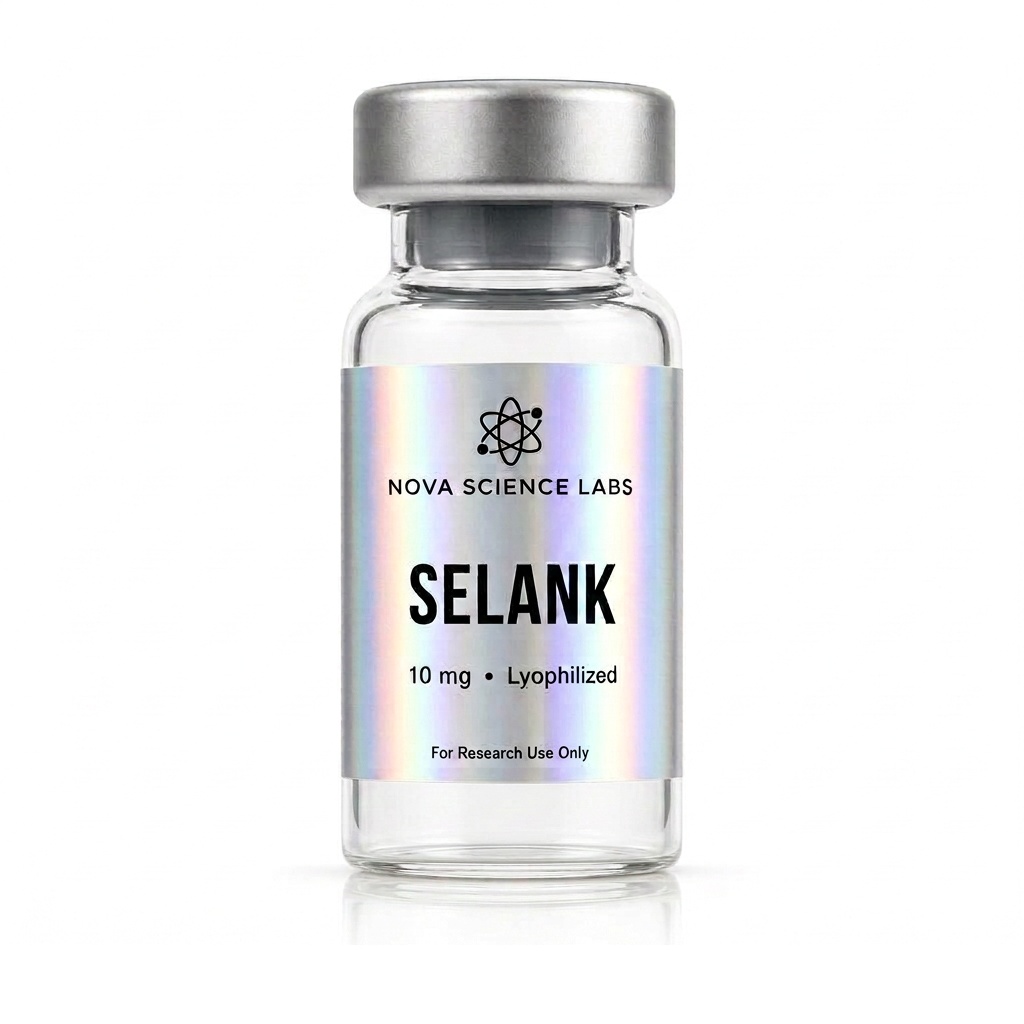
Selank
Anxiolytic peptide researched for stress modulation and cognitive performance.
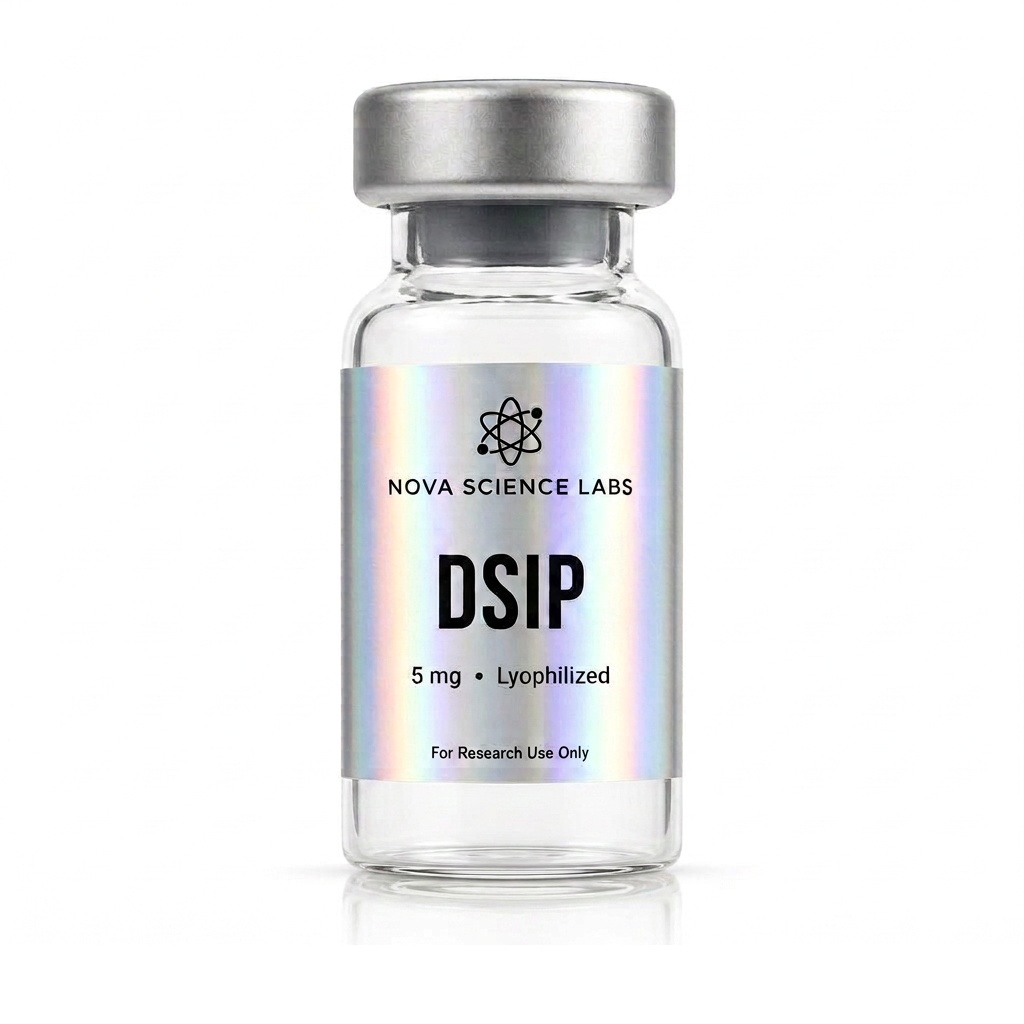
DSIP
Delta sleep-inducing peptide studied for sleep architecture and stress response research.
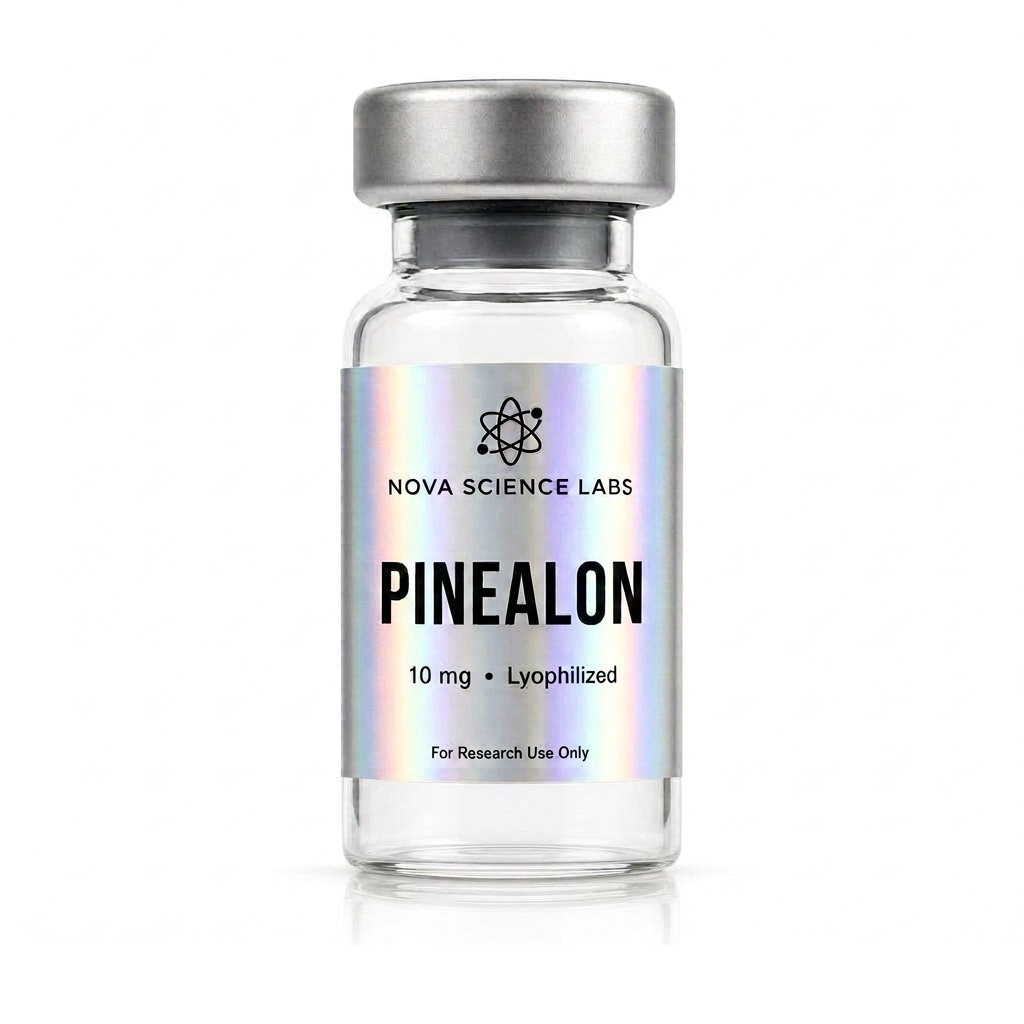
Pinealon
Pineal-derived peptide studied for circadian regulation, neuroprotection, and cognitive research.