

NSL-2 TRZ
Dual GIP / GLP-1 receptor agonist studied for glycemic control and metabolic pathway research.
Testing & quality
Every batch is supplier-tested for identity and purity and randomly verified by independent third-party HPLC and mass spectrometry.
About NSL-2 TRZ
NSL-2 TRZ is a peptide that switches on two appetite and blood-sugar signals at the same time: GIP and GLP-1. It was built to stay active in the body longer than older single-target peptides, which is why labs use it as a benchmark compound.
Research looks at how it affects insulin release, how quickly the stomach empties, and how fat cells handle energy. Supplied freeze-dried at 99%+ purity with independent HPLC/MS testing, for laboratory research use only.
What animal studies have reported
These are outcomes published in peer-reviewed animal (preclinical) research on NSL-2 TRZ. They describe results seen in laboratory animals only.
- Reduced food intake and body fat in obese rodent models
- Improved blood sugar control and insulin sensitivity
- Less fat buildup in the liver
Animal findings do not predict results in humans. Nothing here is a claim about human use — this product is sold for laboratory research only.
Compound classification
Synthetic 39-amino-acid dual GIP/GLP-1 receptor agonist.
Mechanism studied in the literature
Activates both the GIP and GLP-1 receptors. Investigated in vitro and in preclinical models for synergistic effects on insulin secretion, glucagon suppression, and adipocyte signaling.
Research areas
- Incretin receptor signaling cascades
- Preclinical models of metabolic dysregulation
- Comparative agonist pharmacology
- Body composition and adipose tissue studies
Storage
Lyophilized: -20°C, protected from light. Reconstituted: 2-8°C, use within 28 days under sterile conditions.
Reconstitution (laboratory)
Reconstitute with bacteriostatic water or sterile water for injection (USP grade). Swirl gently to dissolve.
Related research peptides

NSL-3 RT
Triple agonist (GLP-1 / GIP / glucagon) studied for body composition and metabolic regulation research.
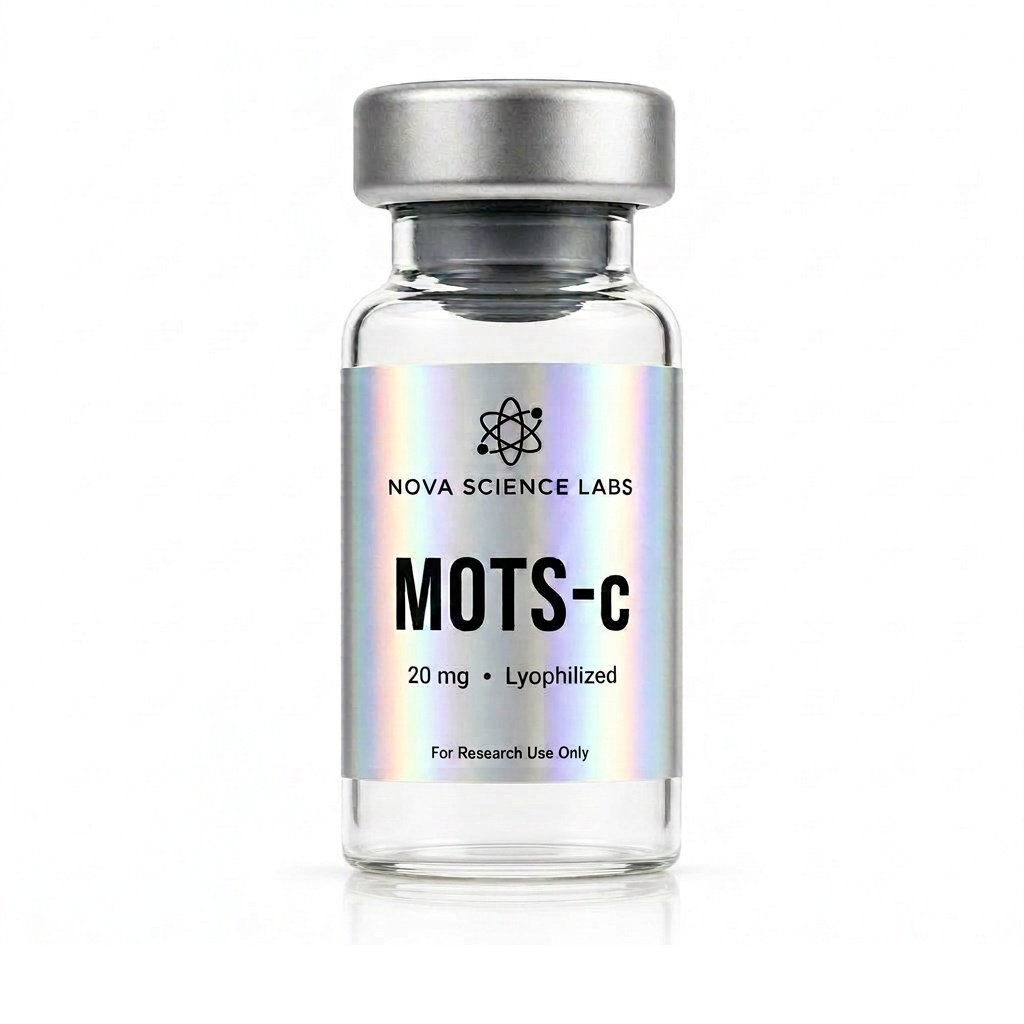
MOTS-c
Mitochondrial-derived peptide studied for insulin sensitivity, energy expenditure, and metabolic homeostasis.
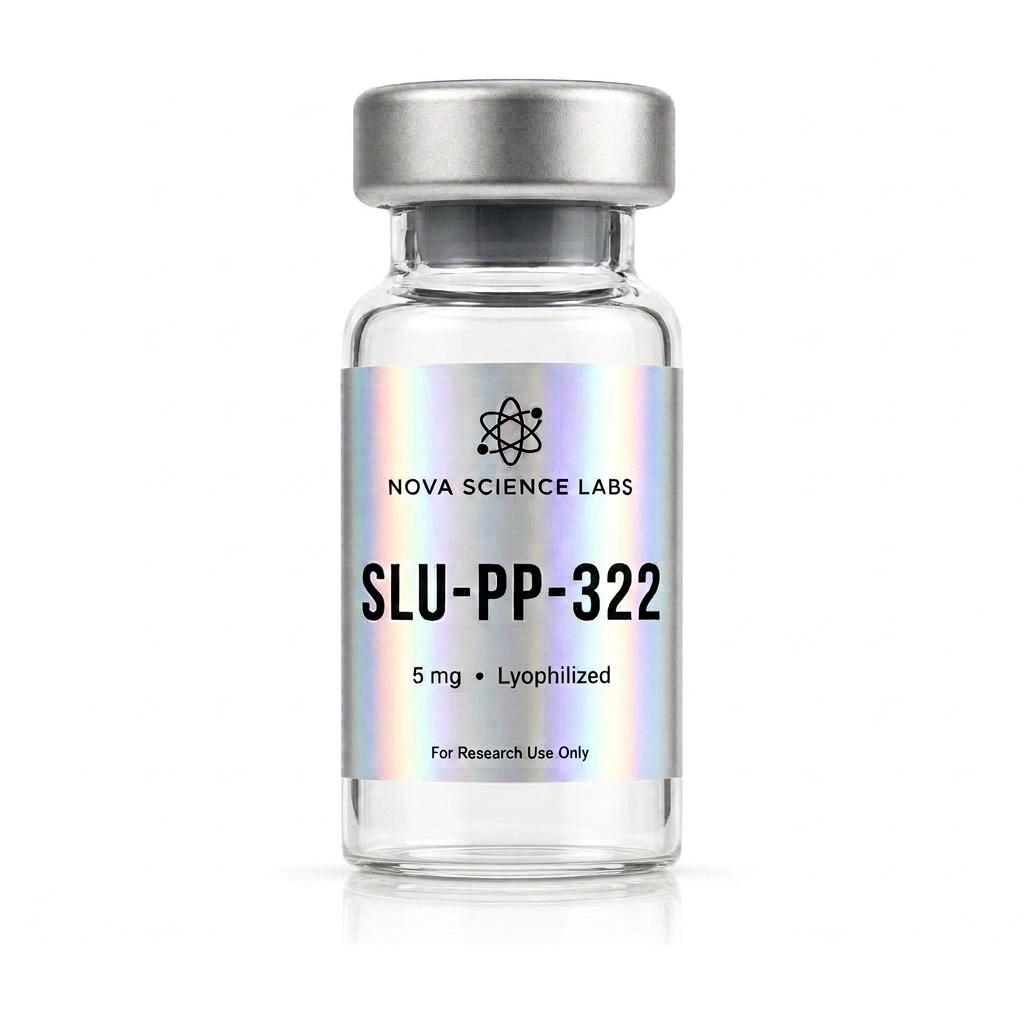
SLU-PP-322
ERR agonist researched for exercise mimetic effects and mitochondrial biogenesis.
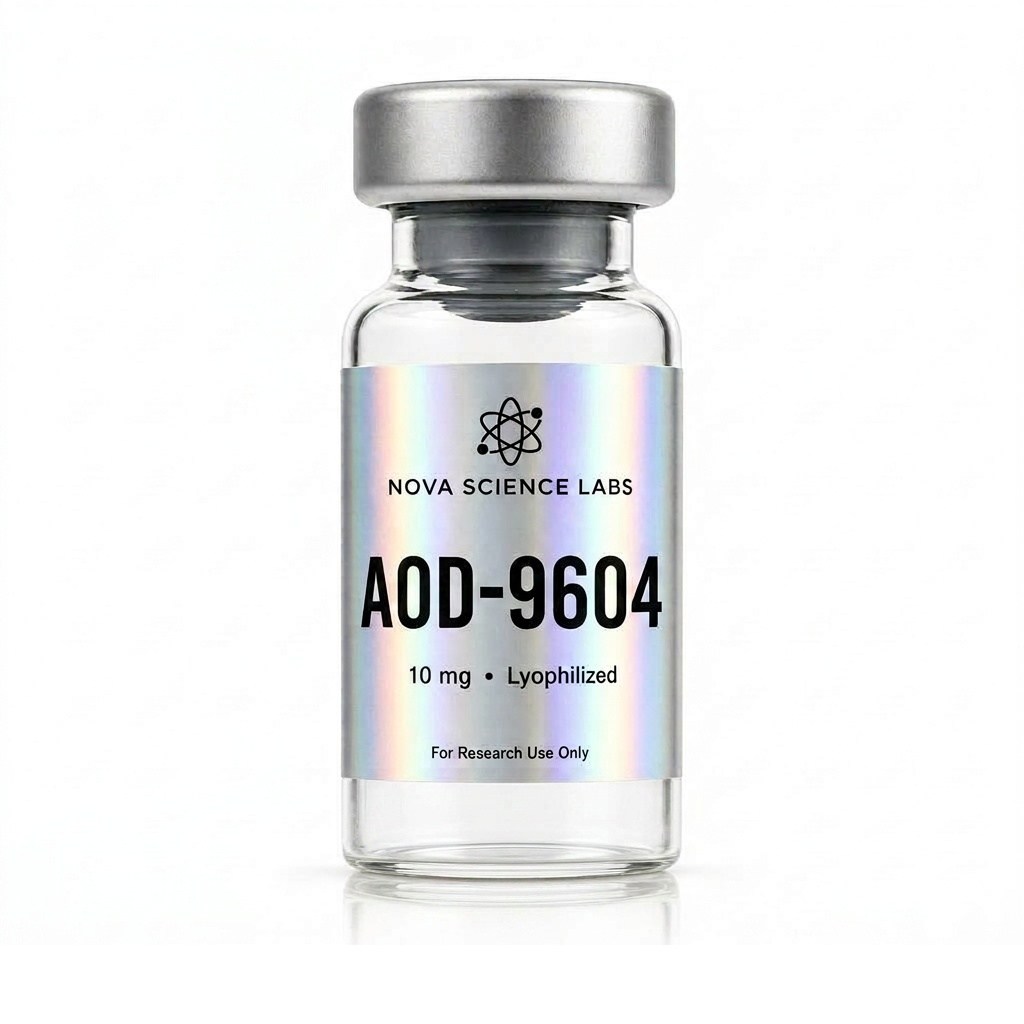
AOD-9604
HGH fragment 176-191 studied for lipolytic and metabolic pathway research.