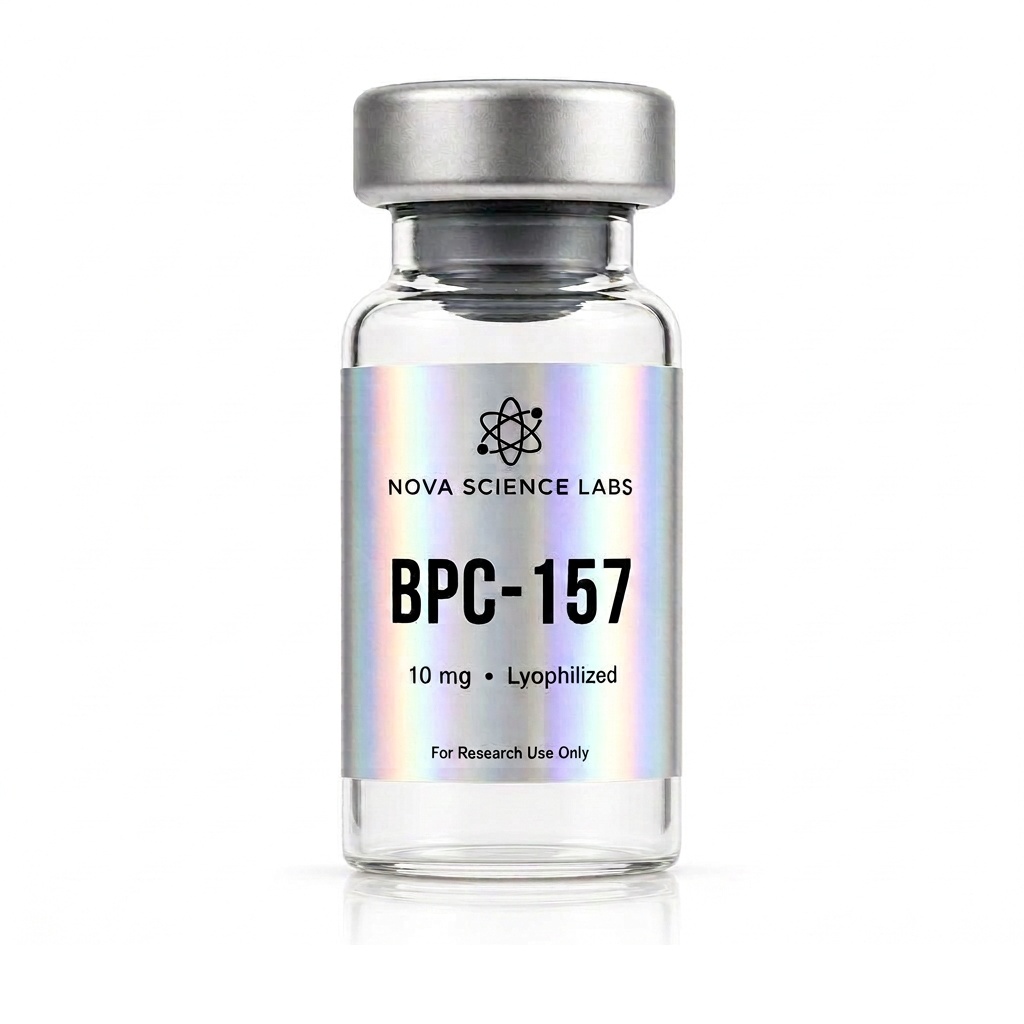
BPC-157
Body protection compound studied for tissue repair, tendon healing, and gastrointestinal protection.
Testing & quality
Every batch is supplier-tested for identity and purity and randomly verified by independent third-party HPLC and mass spectrometry.
About BPC-157
BPC-157 is a 15-piece peptide based on a protein naturally found in stomach fluid. It is one of the most heavily studied repair peptides, mainly because it appears to help the body build new blood vessels and move repair cells into damaged tissue.
Labs study how it affects blood vessel growth, collagen laid down during healing, and the lining of the gut. Nova Science Labs supplies BPC-157 as a freeze-dried powder at 99%+ purity for laboratory research only.
What animal studies have reported
These are outcomes published in peer-reviewed animal (preclinical) research on BPC-157. They describe results seen in laboratory animals only.
- Faster tendon and ligament repair after injury in rat models
- Improved muscle healing after crush and tear injuries
- Reduced inflammation and ulcer damage in the stomach and intestines
- New blood vessel growth into healing tissue
- Some nerve regrowth after nerve injury in rodents
Animal findings do not predict results in humans. Nothing here is a claim about human use — this product is sold for laboratory research only.
Compound classification
Pentadecapeptide (15 amino acids) derived from a fragment of human gastric juice protein BPC.
Mechanism studied in the literature
Studied for modulation of nitric oxide pathways, VEGF expression, and growth factor signaling in preclinical injury models. Frequently cited in tendon, ligament, and GI mucosal research.
Research areas
- Tendon and ligament regeneration (rodent models)
- Gastrointestinal mucosal protection
- Angiogenesis and growth factor signaling
- Neurovascular research
Storage
Lyophilized: -20°C, protected from light. Reconstituted: 2-8°C, use within 28 days.
Reconstitution (laboratory)
Reconstitute with bacteriostatic or sterile water for injection (USP grade).
Related research peptides
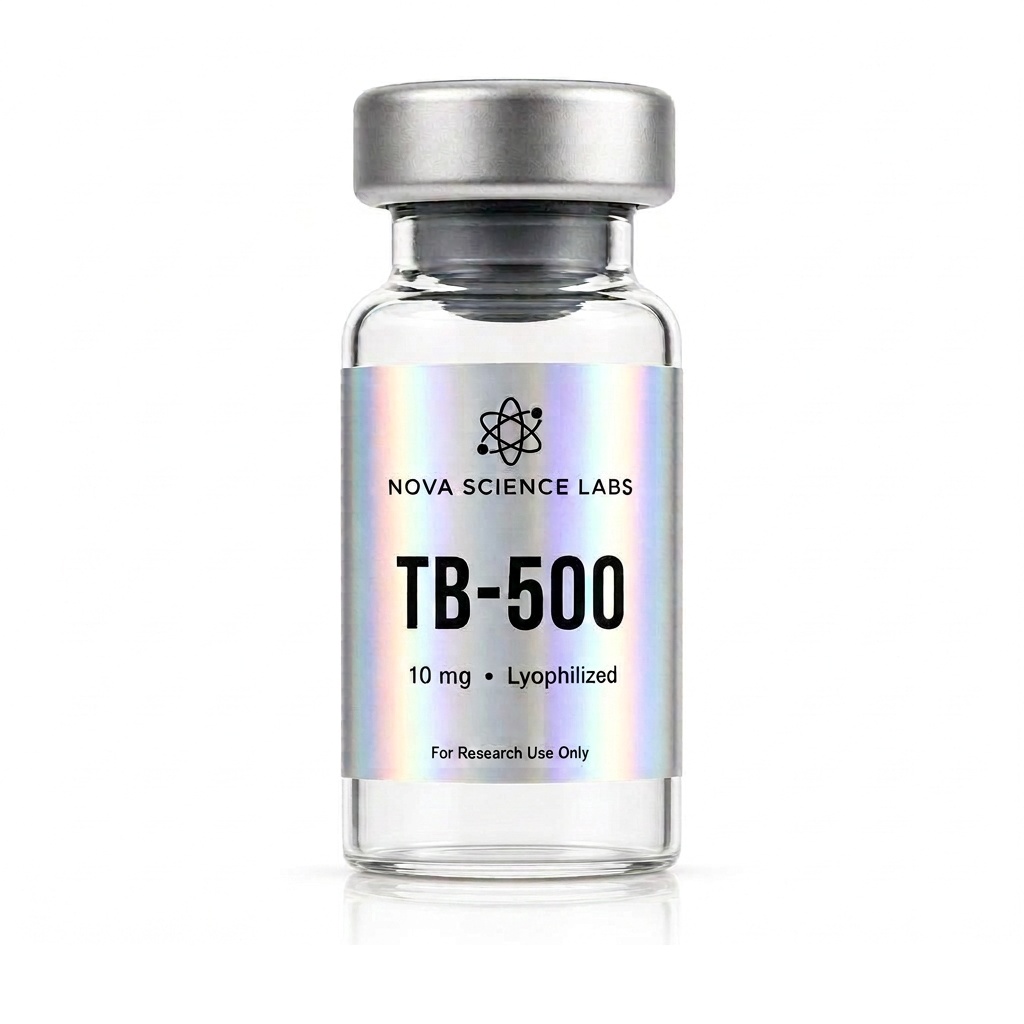
TB-500
Synthetic Thymosin Beta-4 fragment researched for muscle, tendon, and ligament regeneration.
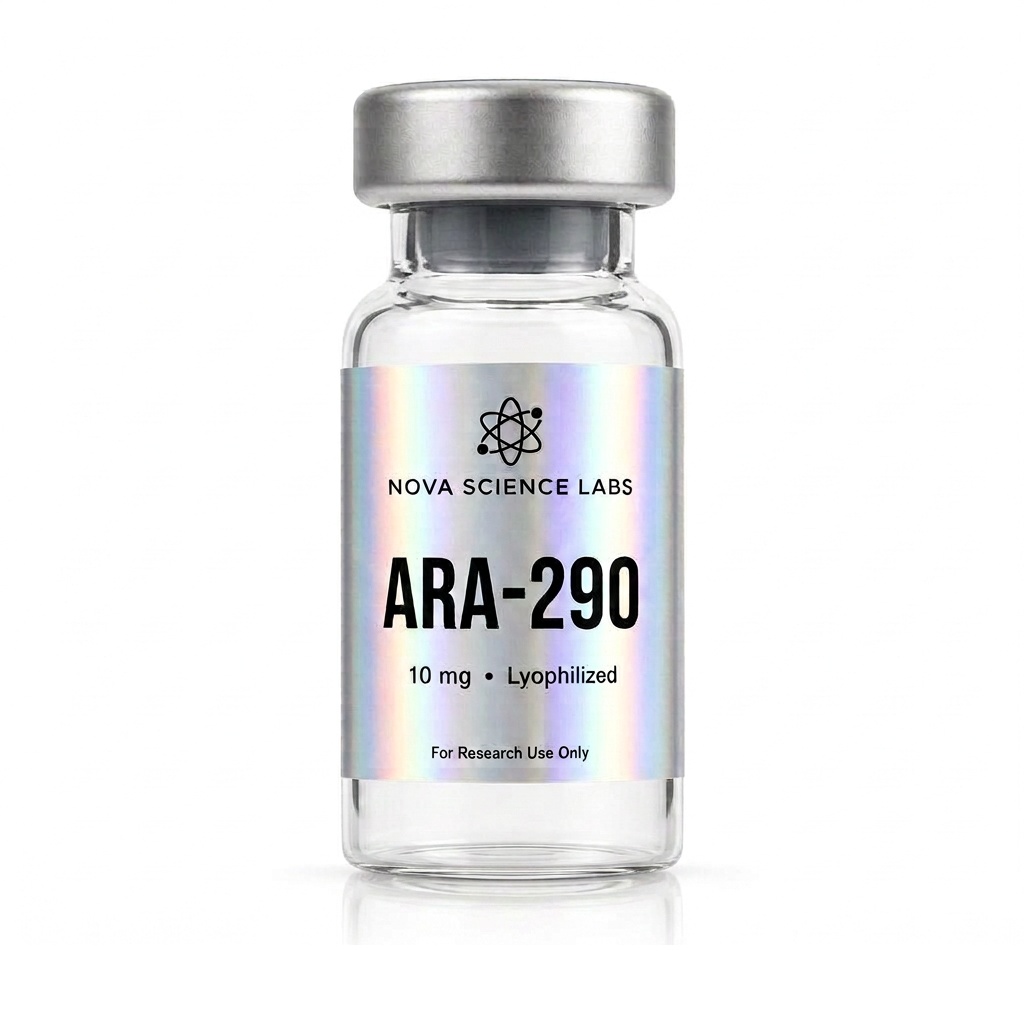
ARA-290
Erythropoietin-derived peptide studied for tissue protection and neuropathic pain research.
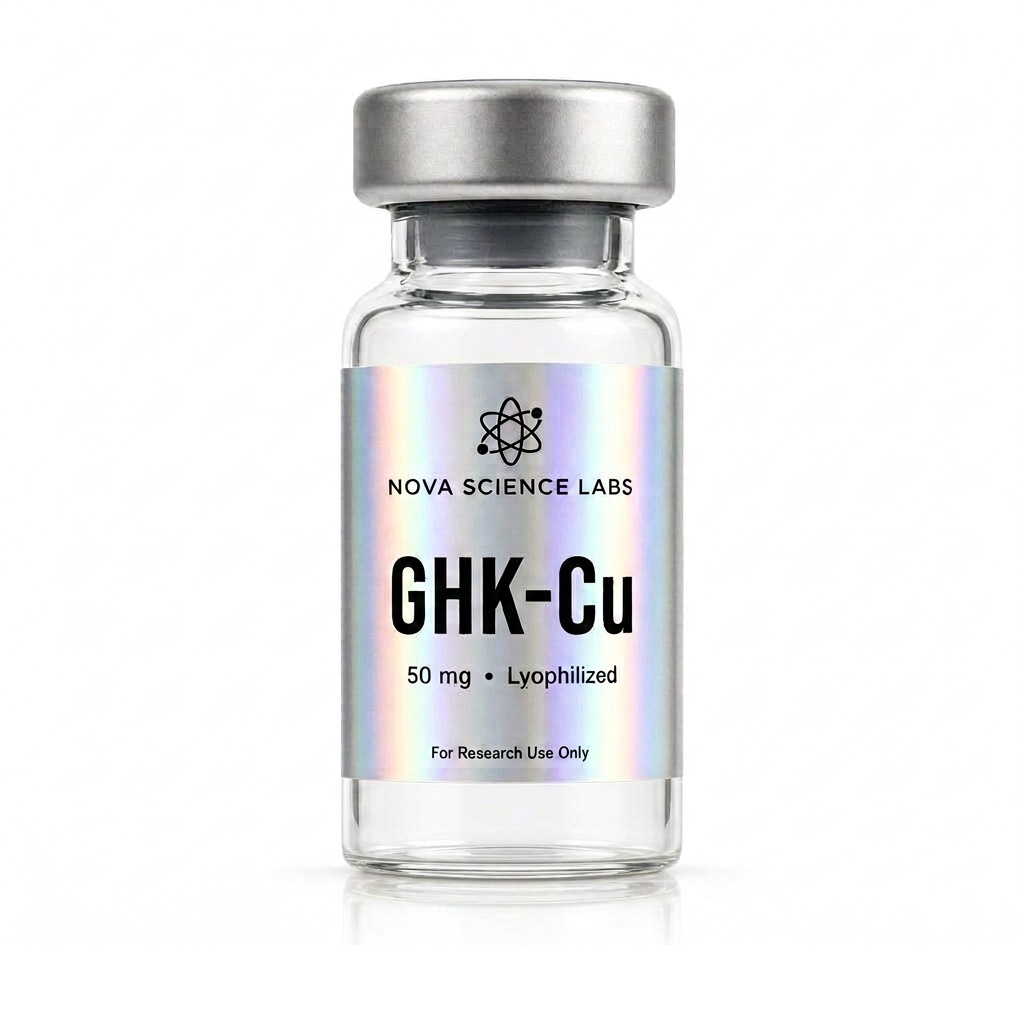
GHK-Cu
Copper peptide researched for skin regeneration, wound healing, and anti-aging pathways.
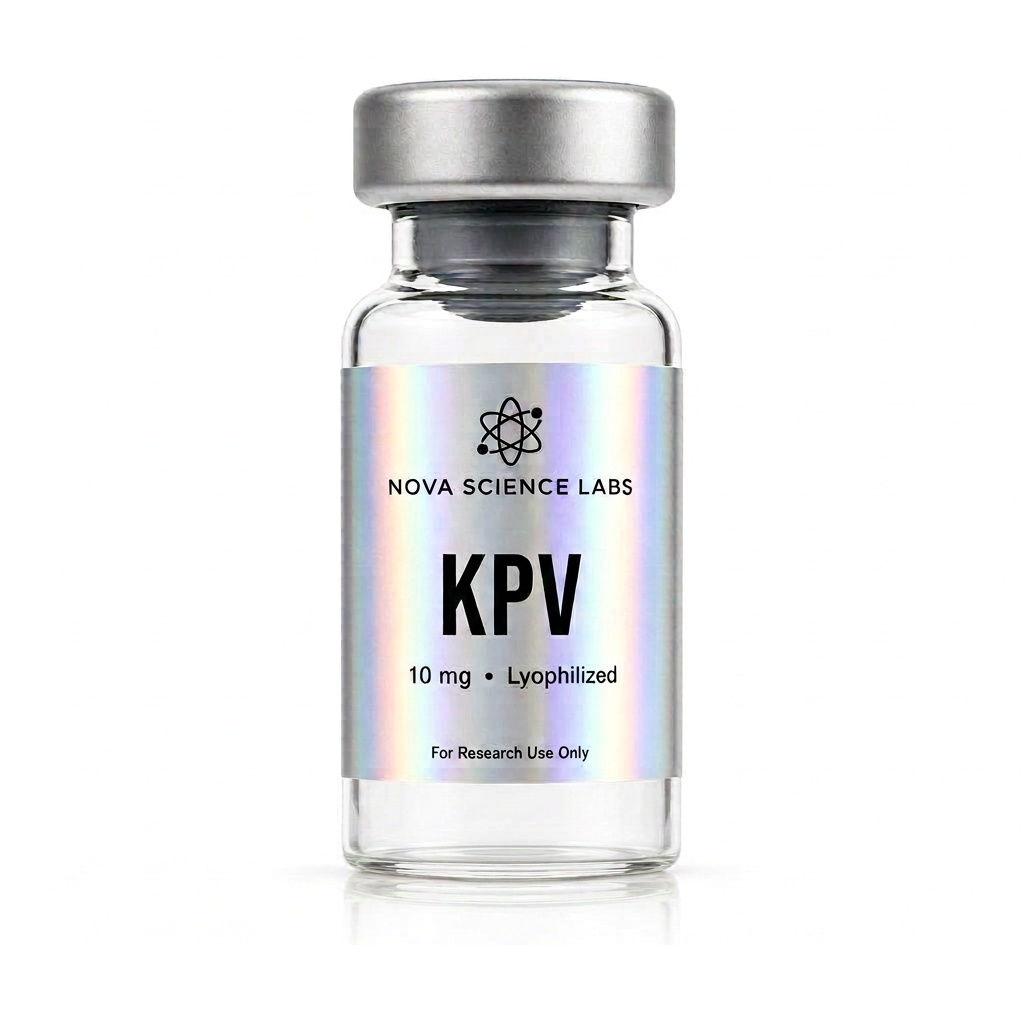
KPV
Alpha-MSH tripeptide studied for anti-inflammatory and gut-barrier research applications.